Glaucoma: The “Silent” Eye Disease and Why Regular Eye Exams Matter
Imagine a disease that slowly steals your vision without any pain, redness or warning signs. For many people with glaucoma, that is exactly what happens. Because side vision fades gradually, the brain fills in the gaps, and many people don’t notice a problem until a significant amount of sight is already gone.
The encouraging news is that glaucoma can be managed, especially when it is found early. Understanding the condition, knowing your risk and having regular eye exams are your best defences. Here is what you should know.
What Is Glaucoma?
Glaucoma is a group of eye diseases that damage the optic nerve, the cable that carries visual information from your eye to your brain. This damage is often, though not always, linked to elevated pressure inside the eye. Over time, the loss of nerve fibres causes gaps in the field of vision, usually beginning at the edges.
Vision lost to glaucoma generally cannot be restored. This is why the goal of care is to detect the disease early and protect the sight you still have.
Why Is It Called the “Silent Thief of Sight”?
In its most common form, open-angle glaucoma, there are usually no early symptoms. There is no pain, and central vision often stays sharp until late in the disease. Side vision is affected first, and the change is so gradual that it is easy to miss.
By the time many people notice changes, such as bumping into things or missing objects at the edge of their view, the disease may be advanced. That makes routine eye exams essential, even when your vision seems perfect.
Types of Glaucoma
Open-angle glaucoma. The most common type. The eye’s drainage system becomes less efficient over time, and it develops slowly and silently.
Angle-closure glaucoma. The drainage angle becomes blocked. It can develop slowly or suddenly. A sudden attack is an emergency, with symptoms such as severe eye pain, headache, nausea, blurred vision and halos around lights.
Normal-tension glaucoma. Optic nerve damage occurs even though eye pressure is within the normal range.
Secondary glaucoma. Caused by another condition, injury, inflammation or certain medications, such as long-term steroid use.
Who Is at Higher Risk?
Anyone can develop glaucoma, but some factors raise the risk:
- Age, particularly over 60 (risk starts to rise earlier in some groups)
- A family history of glaucoma
- Elevated eye pressure
- Diabetes
- High nearsightedness or farsightedness
- Previous eye injury or eye surgery
- Long-term use of steroid medications
- Thin corneas
- Certain ethnic backgrounds, as risk is higher in some populations
Having one or more risk factors doesn’t mean you will develop glaucoma, but it does mean regular monitoring is especially important. Tell your optometrist about any family history.
How Is Glaucoma Detected?
Glaucoma cannot be diagnosed with a basic vision check alone. A thorough eye exam looks at several things:
- Eye pressure measurement (tonometry)
- Optic nerve examination, looking for changes in its shape and appearance
- Imaging of the optic nerve and retina, such as retinal imaging, which can pick up subtle changes over time
- Visual field testing, which maps your side vision and can show early gaps
- Drainage angle assessment and measurement of corneal thickness
Because glaucoma changes slowly, your optometrist may compare results across visits to see whether anything is progressing. This is another reason to keep regular appointments, so each exam can be compared with the last.
Warning Signs to Take Seriously
Chronic glaucoma often has no symptoms, but certain signs need urgent attention. Seek immediate care if you experience:
- Sudden, severe eye pain
- A sudden loss or blurring of vision
- Halos around lights
- Redness in the eye combined with headache, nausea or vomiting
Don’t wait to see if these pass. Sudden angle-closure is a medical emergency.
How Is Glaucoma Managed?
There is currently no cure, but treatment can slow or stop further damage in most people. The aim is usually to lower eye pressure, and options can include:
- Prescription eye drops, the most common first step
- Laser treatment to improve fluid drainage
- Surgery to create a new drainage pathway, in more advanced cases
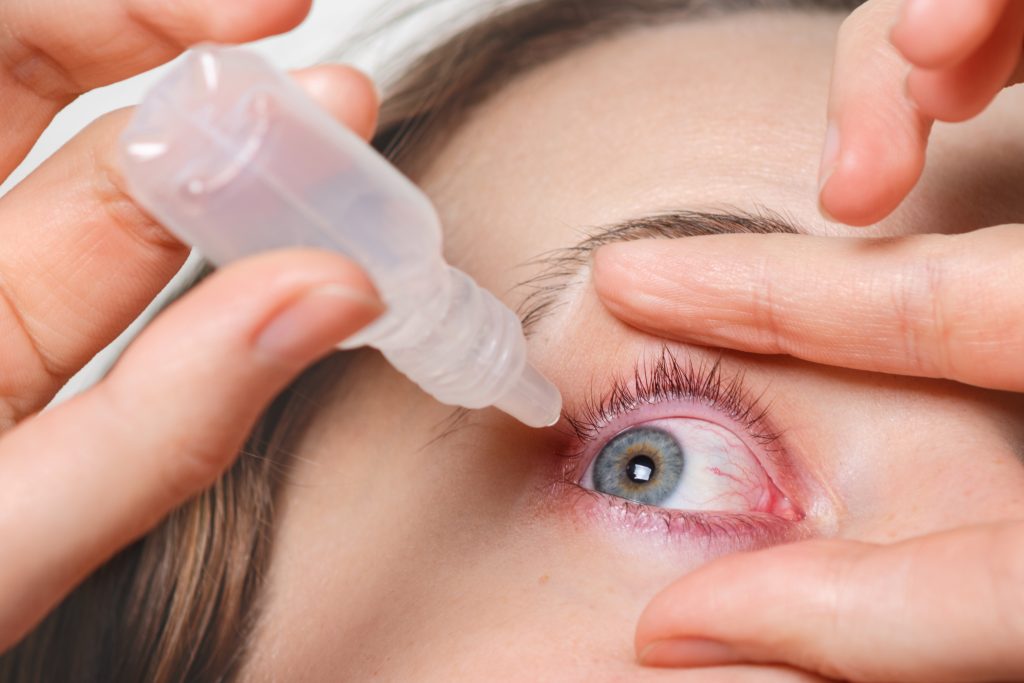
Your treatment plan depends on the type and stage of your glaucoma. Consistency matters: eye drops only work when they are used as directed, and missing doses can allow damage to continue. If you find drops hard to use or notice side effects, talk to your eye care provider rather than stopping on your own.
Glaucoma is one of several conditions we monitor through our eye disease diagnosis and management service, which supports ongoing care and follow-up.
Living Well With Glaucoma
A diagnosis can feel scary, but most people with well-managed glaucoma keep useful vision for life. Helpful steps include:
- Taking medication exactly as prescribed
- Attending every follow-up appointment
- Staying physically active, as moderate exercise is generally good for eye health
- Avoiding smoking and managing blood pressure and diabetes
- Wearing protective eyewear to prevent injury
- Telling family members, since glaucoma can run in families, and relatives may benefit from an exam
How Often Should You Have an Eye Exam?
Adults without risk factors are generally advised to have an exam every one to two years, and annually for seniors and for those with risk factors. If you are 40 or older, or have a family history of glaucoma, don’t wait until you notice a problem. Our adult and senior eye exams include a check of your eye health, not just your prescription.
In Ontario, OHIP covers routine eye exams for adults aged 65 and older, as well as for certain medical conditions, such as diabetes. See our insurance and payment information page for details.
Parents should know that a family history of glaucoma is also worth mentioning when booking children’s eye exams.
Glaucoma Care in Mississauga
At Birring Eyecare in Malton, Mississauga, we provide comprehensive eye exams and eye disease diagnosis and management for adults and seniors, including testing and monitoring for glaucoma. Our team takes the time to explain your results, answer your questions and create a plan to protect your sight.
You can’t feel glaucoma, but an eye exam can find it. Book an appointment online or call the clinic today, and give your eyes the attention they deserve.